
Building Scalable Customer Success Systems Across Organizations
From 25 Members to 8,000+ Enterprise Clients
Over the last 15 years, I have progressively evolved from manually managing customer operations for a small 25-member business into building enterprise-scale Customer Success operating systems supporting thousands of customers globally across SaaS, fintech, HRTech, and healthcare AI.
Across this journey, I have:
- • Scaled ops supporting 8000+ enterprise clients
- • Handled up to 500 implementations monthly
- • Led 250+ customer-facing operational teams
- • Interviewed 6000+ candidates & hired 500+
- • Mentored 50+ internal and external leaders
- • Coordinated with 100+ vendors and partners
- • Reduced operational expenditure by >50%
- • Improved onboarding from weeks to hours
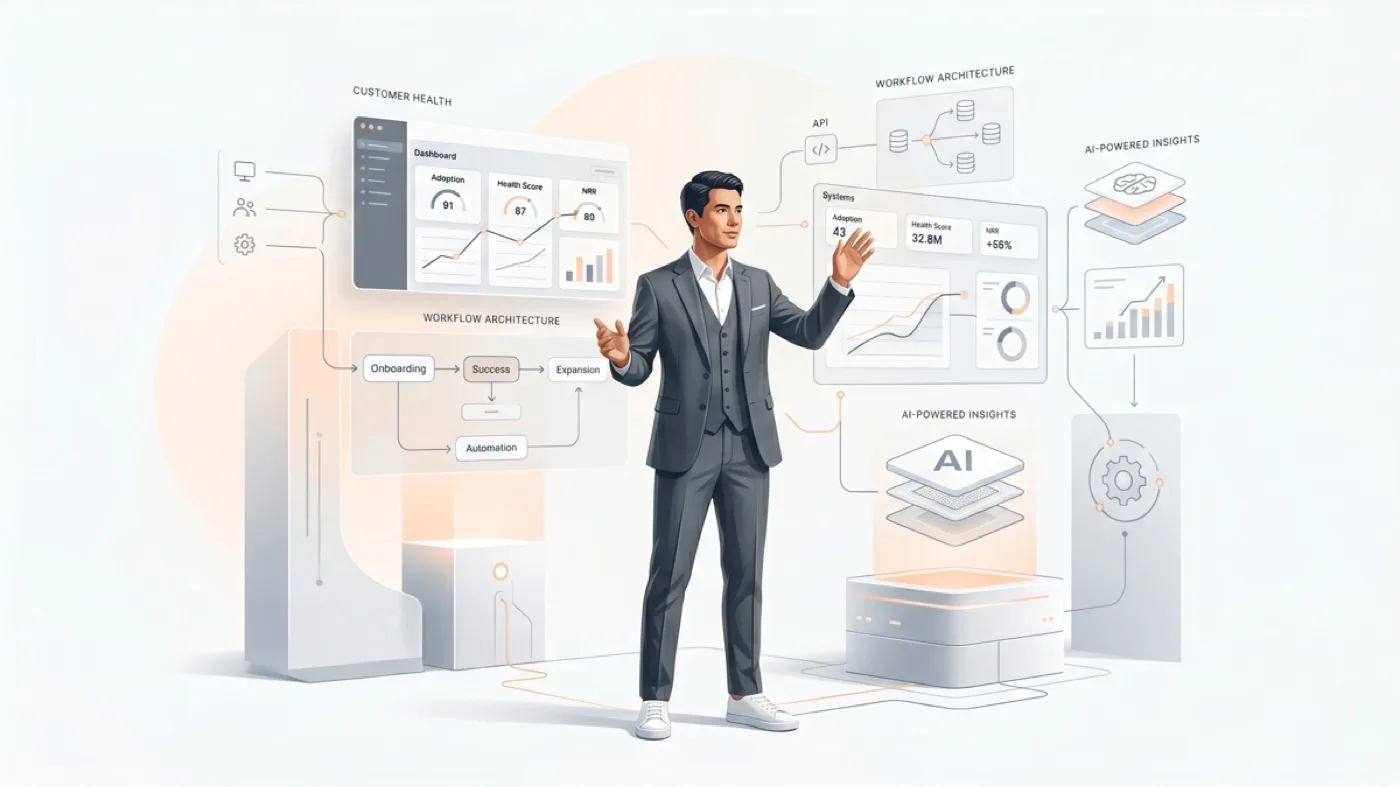
My work evolved beyond support and onboarding into operational architecture, systems design, enterprise implementation governance, workflow orchestration, AI-driven customer operations, tooling ecosystems, API-driven operational integrations, leadership enablement, change management, and customer lifecycle engineering.
Platforms operationalized: Freshdesk, Wolken, Intercom, Rocketlane, Salesforce, HubSpot, Kustomer, Zoho, Monday.com, Twilio, Gong, Pendo, Mixpanel, Document360, Notion, Cognigy, custom LLM workflows, middleware integration layers, Keka OS, and Augnito MCC.
Understanding Operational Chaos From the Ground Up
My first exposure to customer operations did not happen in a boardroom. It happened while trying to survive. Long before enterprise software, dashboards, APIs, or automation systems became part of my world, I learned customer operations through direct human interaction across retail, distribution, credit card sales, logistics, and local business operations.
Those years exposed me to what operational failure actually feels like for customers: delayed responses, broken communication, operational dependency on individuals, inconsistent service quality, and fragmented ownership.
Eventually, I launched Iris Business Solutions. Operating with 5 clients, a 25-member team, and limited infrastructure, everything depended on people.
Fundamental Realization
High quality alone does not guarantee customer satisfaction. Customers also expect speed, visibility, predictability, ownership, and responsiveness. Even strong delivery fails when operational systems fail.
Learning to Scale Operations Under Pressure
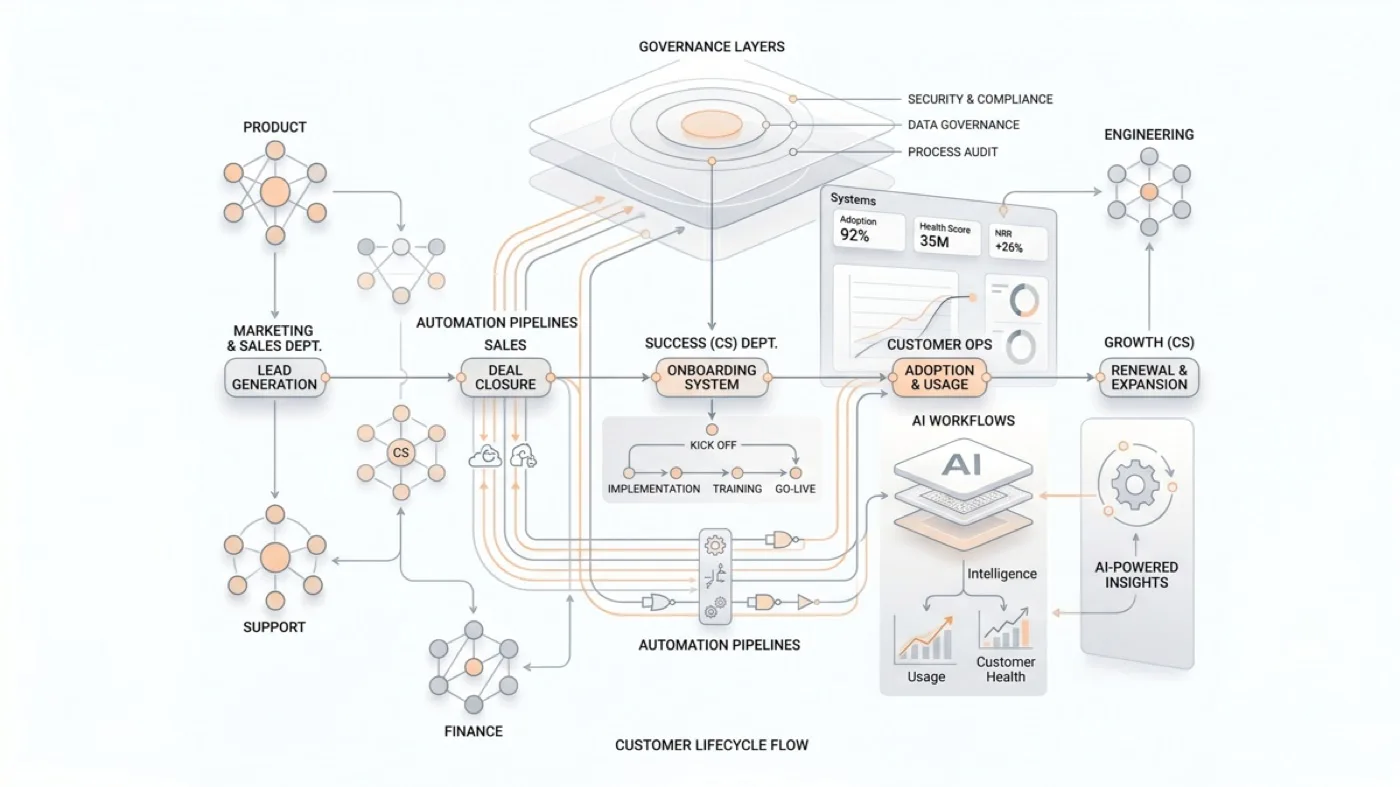
As I moved into larger organizations, the scale of operational complexity increased dramatically. Instead of managing a handful of customers, I entered environments handling 100,000+ support tickets monthly and hundreds of merchant onboardings every month.
This was where operational thinking evolved from "How do we serve customers better?" into "How do we build systems capable of supporting growth without collapsing operationally?"
I started deeply analyzing operational bottlenecks across support systems, implementation operations, SLA failures, repetitive support dependency, and disconnected tooling.
The recurring operational pattern became obvious: Most organizations were growing faster than their operational systems.
Building Operational Systems Instead of Manual Processes
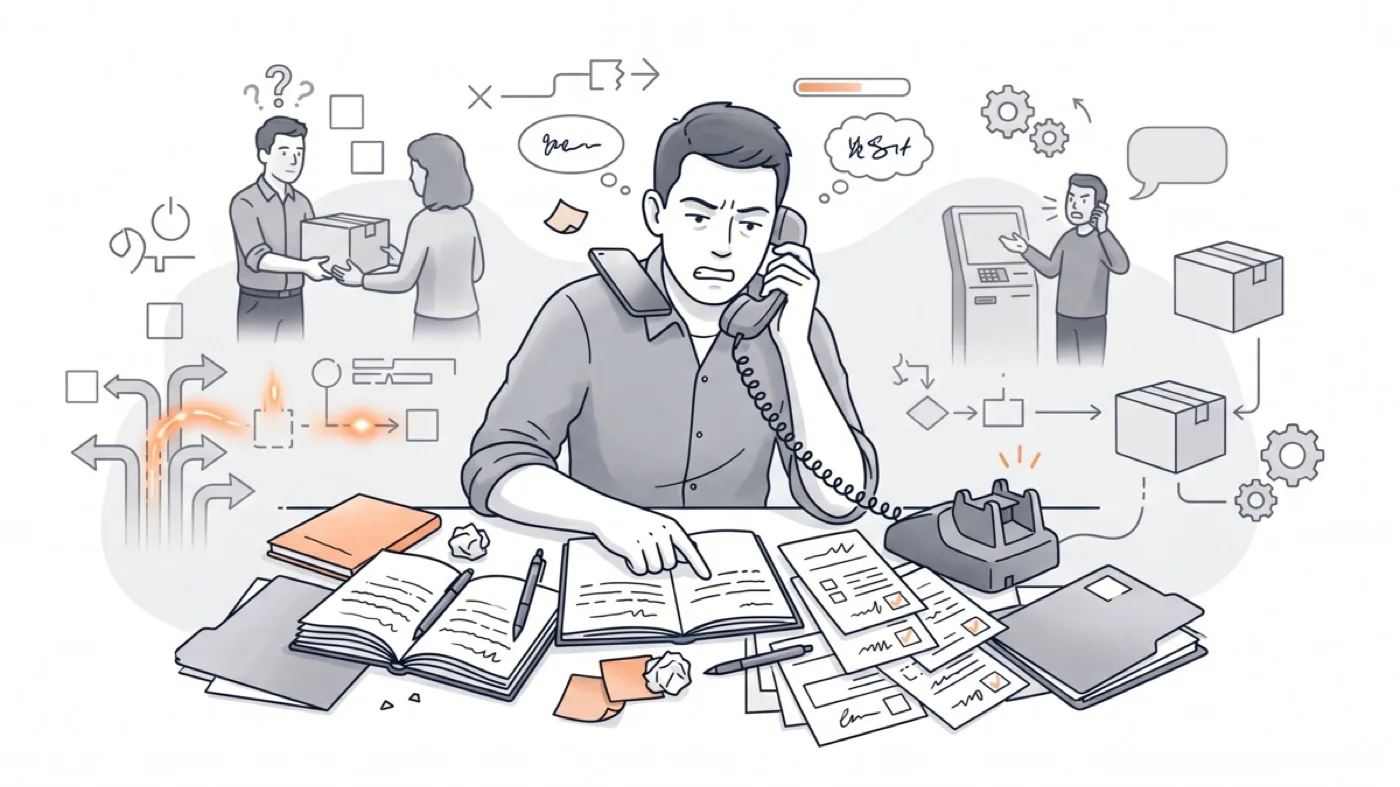
The next major evolution involved transitioning from manual coordination into system-driven execution. Instead of solving individual customer problems repeatedly, I began focusing on process architecture, workflow standardization, automation systems, and operational governance.
Over the years, I became directly involved in implementing, operationalizing, integrating, and scaling platforms including Freshdesk, Wolken, Intercom, Rocketlane, HubSpot, Salesforce, Kustomer, Zoho, Monday.com, SmartKarrot, Twilio, Gong, Mixpanel, Pendo, custom LLM systems, and internal operational platforms.
"But the real challenge was never the tool itself. The real challenge was identifying operational gaps correctly, aligning multiple teams, negotiating budgets, obtaining engineering bandwidth, and overcoming organizational resistance."
Transforming Support & Customer Operations Through Automation
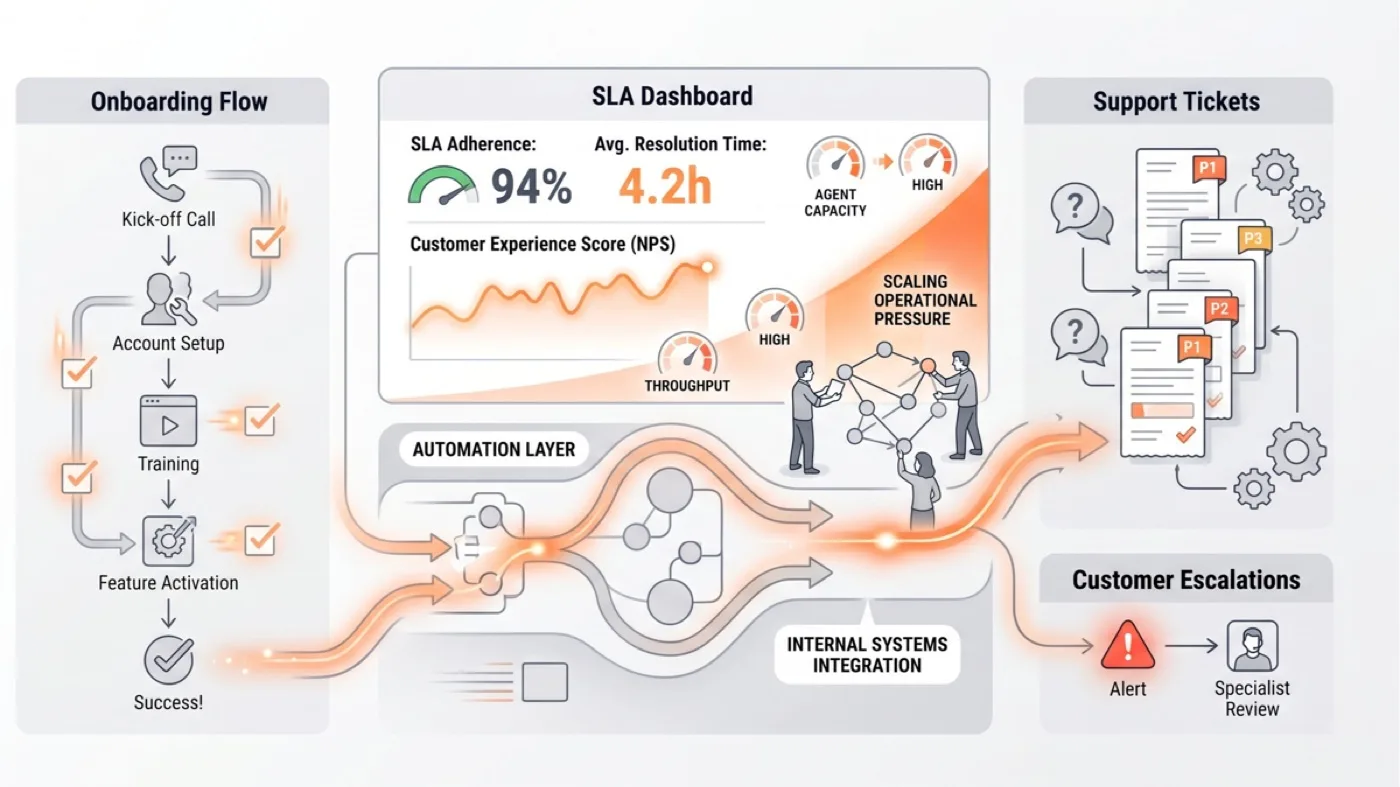
One of the biggest operational bottlenecks across organizations was repetitive operational dependency. In some environments, First Response Time (FRT) exceeded 8 hours, Average Resolution Time (ART) exceeded 24 hours, and support agents deferred heavily to tribal knowledge. The operational model was unsustainable.
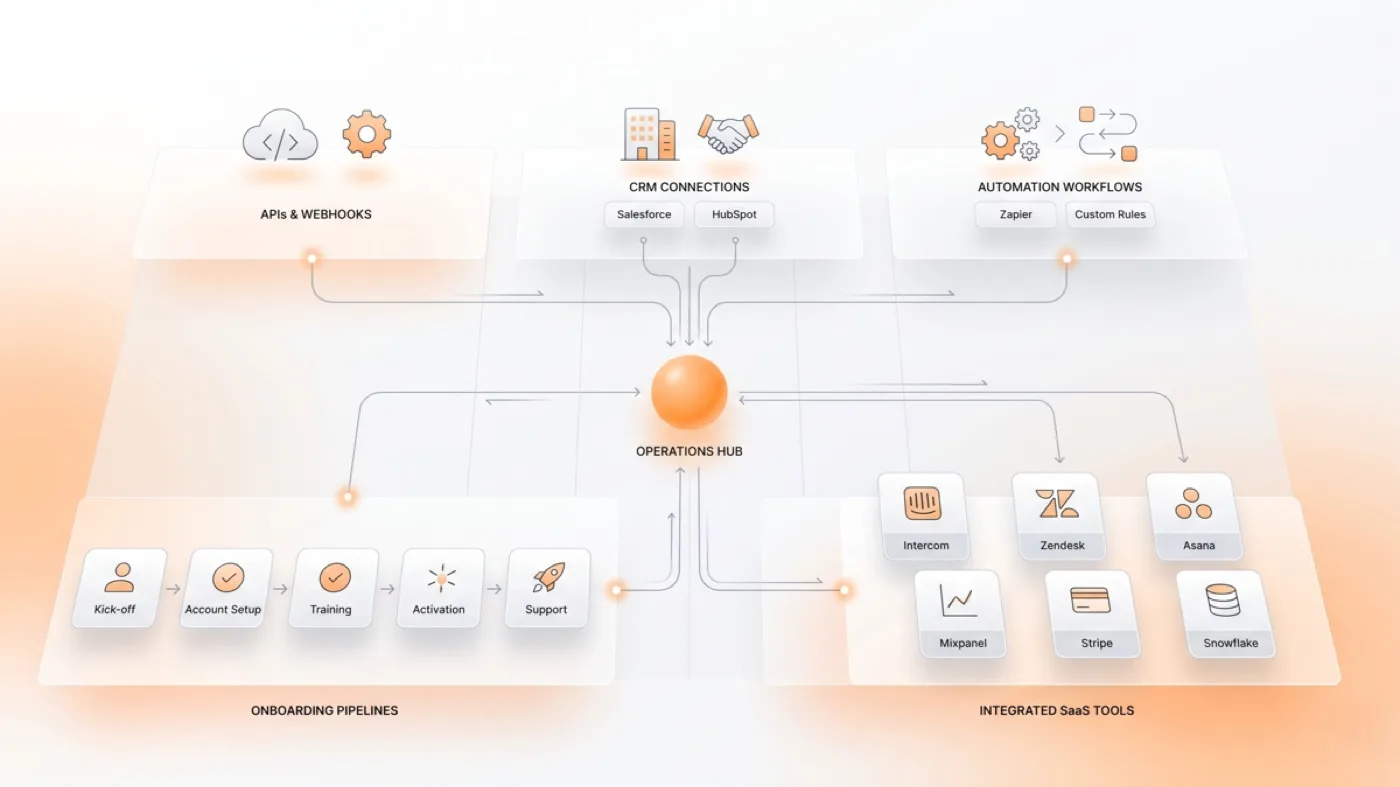
Building Customer Success Operating Systems at Enterprise Scale
The most transformative phase of my career involved moving beyond individual functional optimization into designing enterprise-grade Customer Success operating systems. This required connecting CS, Sales, Product, Engineering, Implementation, and Support into unified operational workflows.
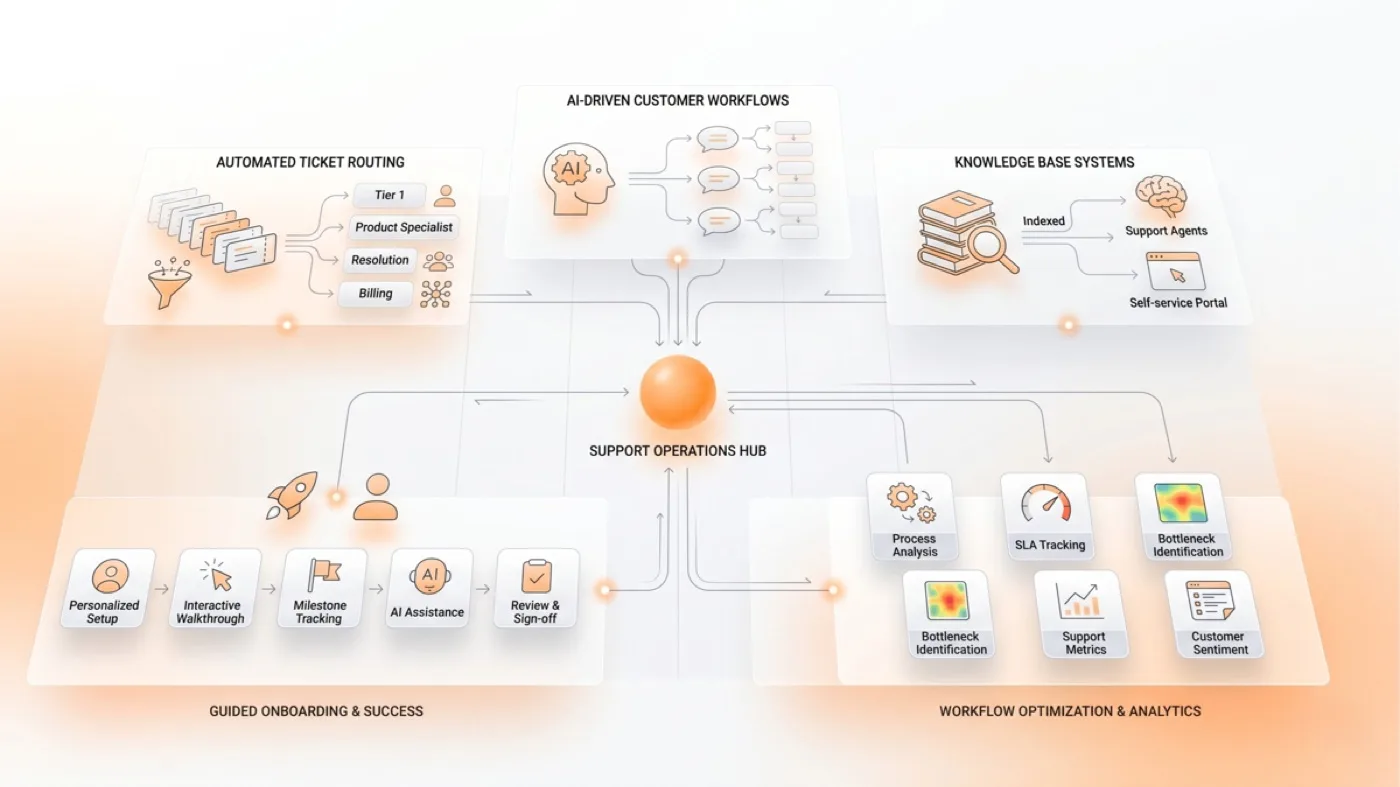
Keka OS: Building a Proprietary Customer Success Operating System
One of the most significant operational transformations I led was the design and deployment of Keka OS, a proprietary internal Customer Success operating system built to unify and automate the entire customer lifecycle.
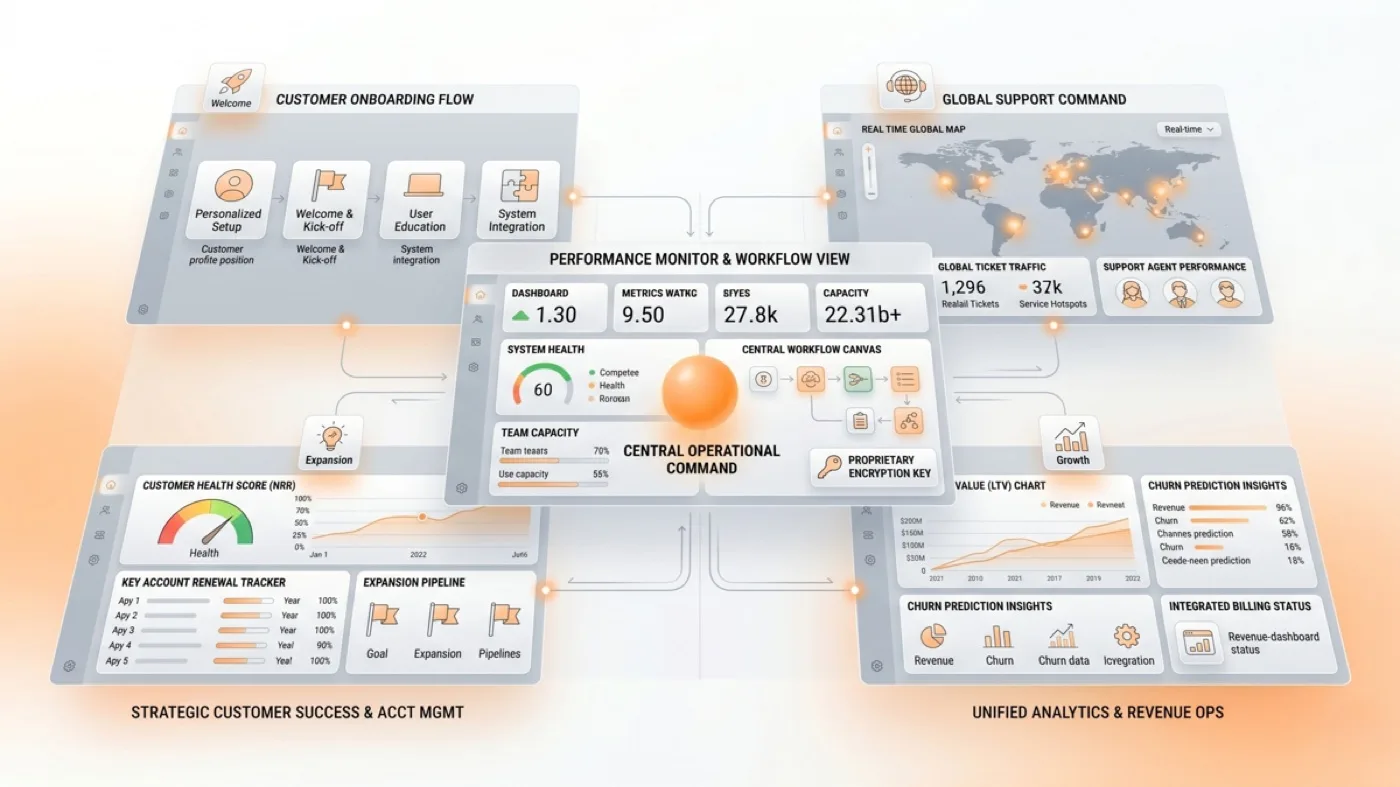
Evolving Into AI-Driven Customer Operations
The latest evolution of my career focused on applying AI-driven execution to enterprise customer operations. At Augnito, I led the integration of advanced AI systems including Cognigy for conversational AI automation, custom LLM workflows for intelligent ticket deflection, WhatsApp AI for real-time customer engagement, and middleware integration layers connecting internal CRM, clinical systems, and external communication platforms.
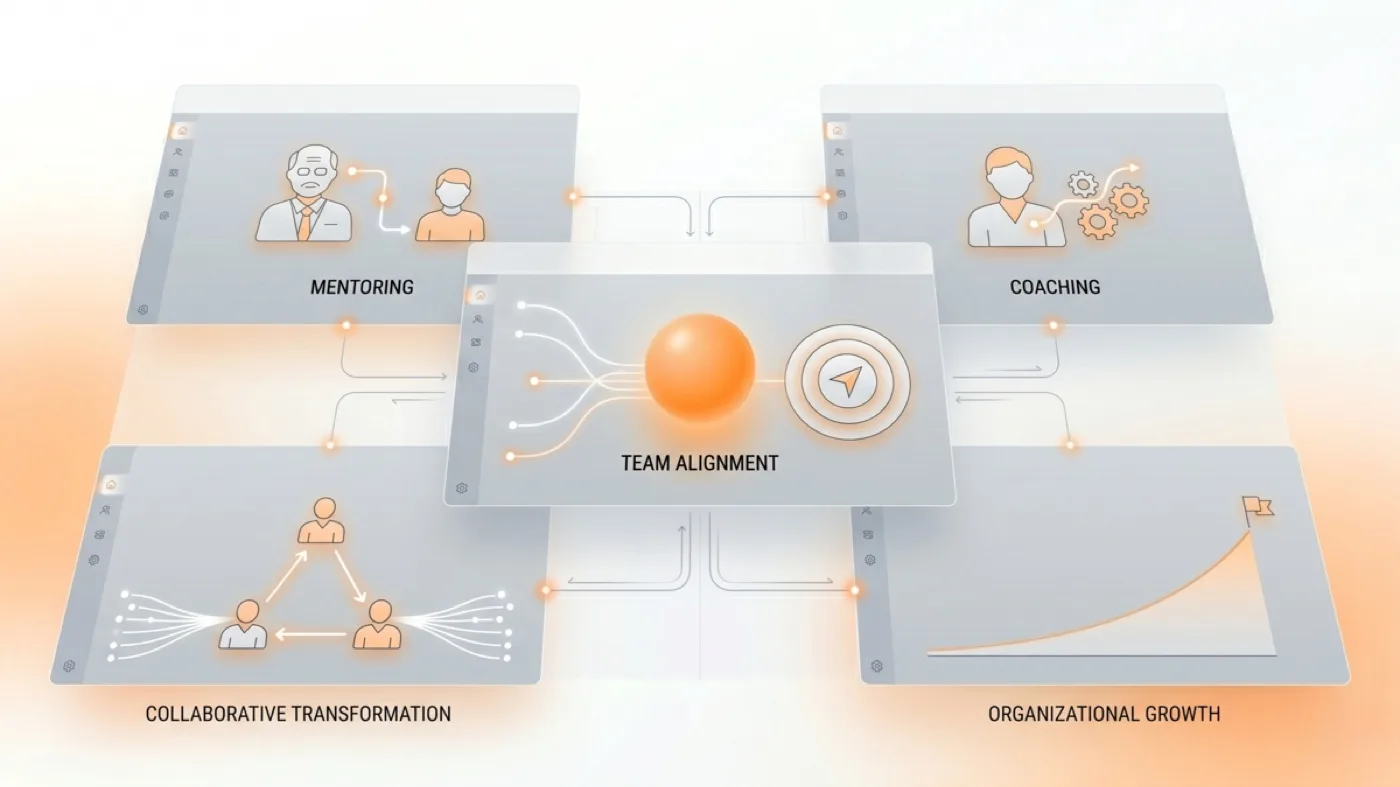
Leadership, Mentoring & Organizational Transformation
Systems alone don't transform organizations. People do. Over the years, I realized that execution discipline, cultural alignment, and leadership development were as critical as any tooling implementation.
Across my career, I have interviewed over 6,000 candidates, hired and onboarded over 500 professionals, mentored over 50 leaders, and built performance cultures focused on ownership, accountability, and customer obsession.
Fundamental Realization
The best operational systems in the world will fail if the people running them don't believe in what they're building.
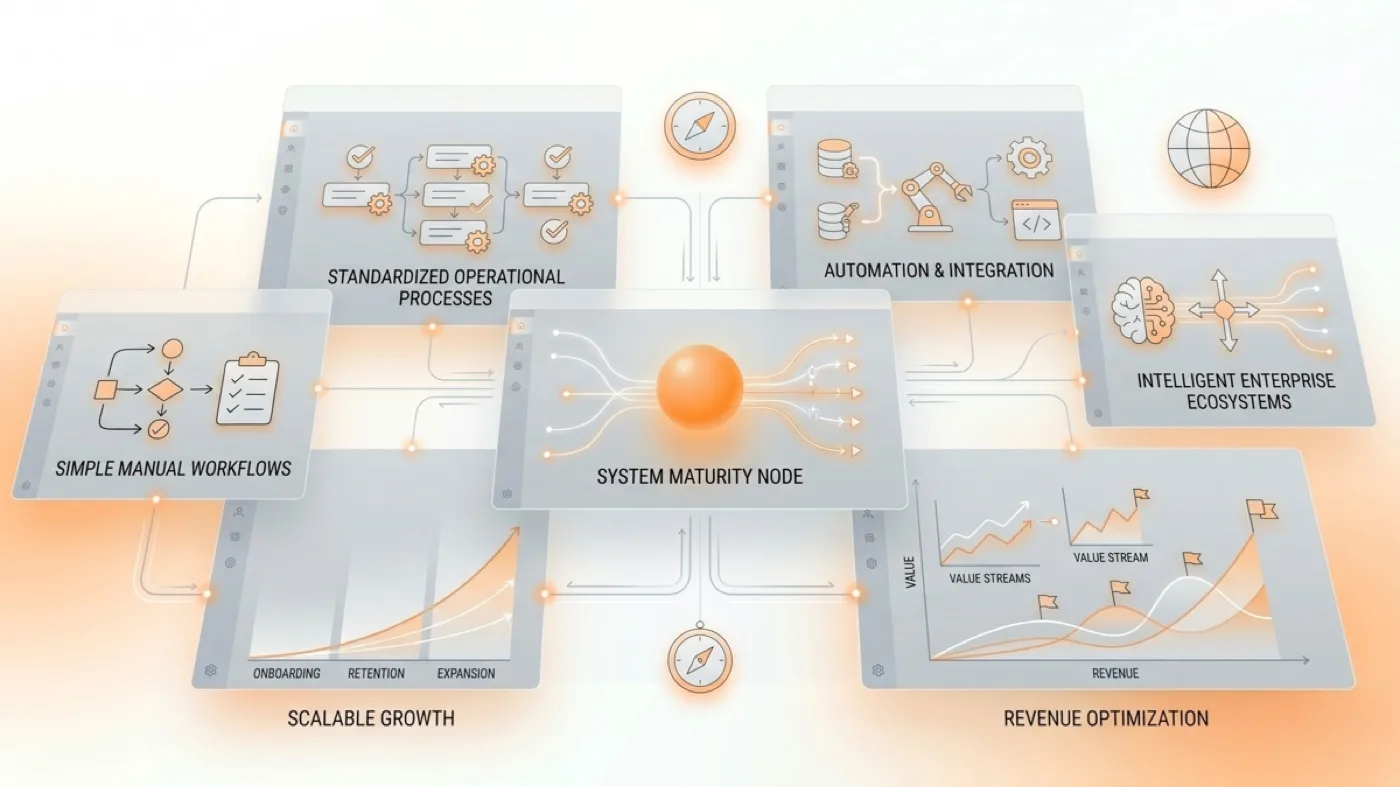
Reflection: What 15 Years of CS Systems Building Taught Me
Technology alone does not create transformation. Execution, trust, and operational clarity do. The best operational systems in the world will fail if the people running them don't believe in what they're building.